Bairan Song and the Loneliness It Reveals — Why Are So Many Indians Feeling This Way?
A Song That Millions of People Are Feeling in Their Chest — Not Just Their Ears
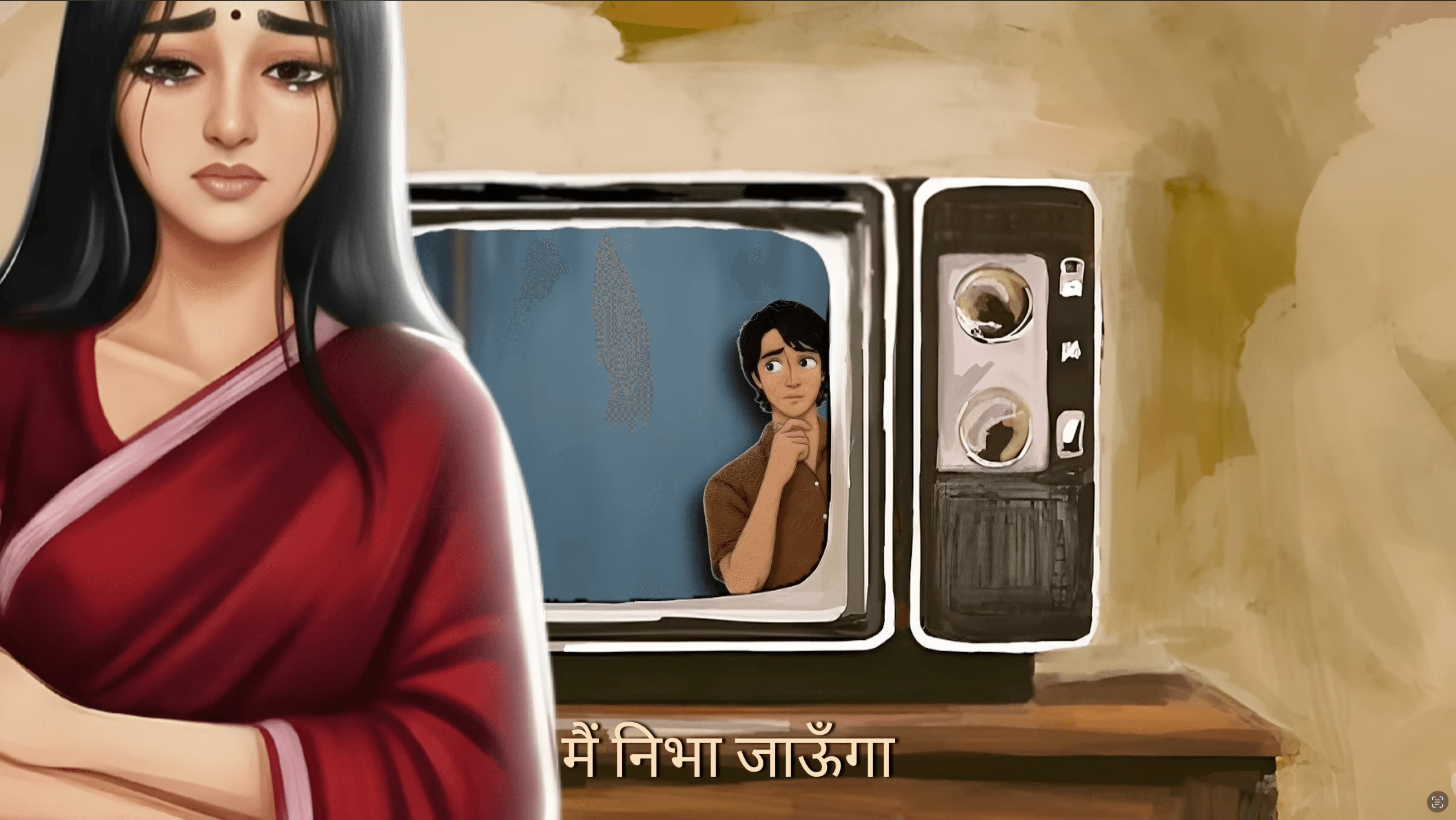
It dropped on 23rd January 2026, released by Sony Music India under the Brown label. Two brothers. A Haryanvi track. Production that leans deceptively upbeat — almost cheerful on first listen, with quirky rhythms and a light pop-inspired arrangement that tricks you into thinking it is a breezy track.
Then the lyrics land.
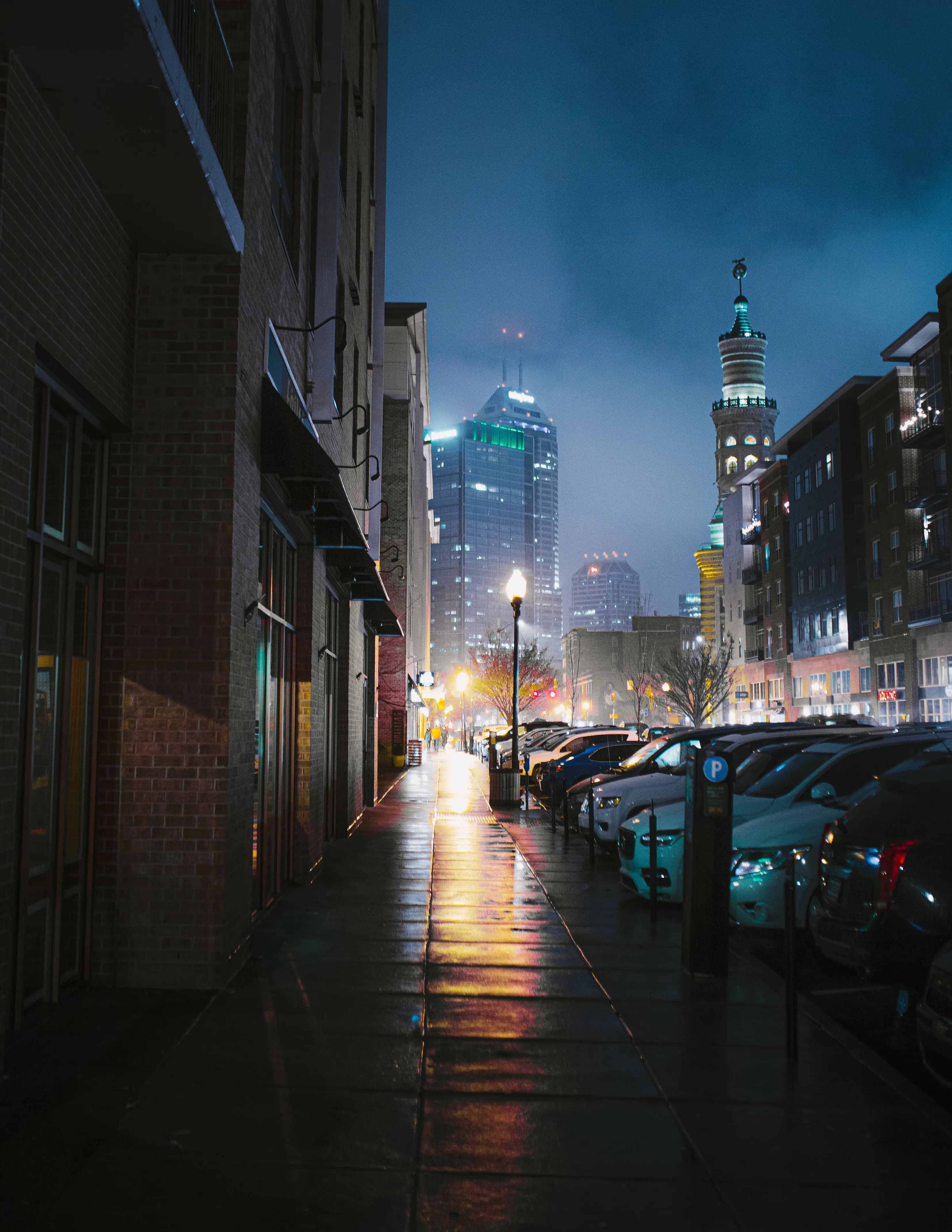
Bairan, by the sibling duo Banjaare, is not an angry song. It is not a heartbreak anthem that demands you feel sorry for the singer. It is quieter and, for that reason, far more dangerous to hear when you are alone in your flat at 11 PM in Bangalore or Mumbai or Pune after a full day of being surrounded by people who somehow feel like strangers.
The song is about quiet longing. About holding onto fragments of a person who is gone. About remembering someone when every corner of your daily life still carries their outline.
And millions of young Indians — most of them living alone in cities they moved to for work or college — have been playing it on repeat.
The question worth asking is not just "why is this song popular?" The real question is: what is it about the emotional landscape of life in Indian metro cities in 2026 that makes a song like Bairan feel this personally true?
The answer is something we at City Culture watch unfold every single day. And it is worth talking about honestly.
The Loneliness Nobody Is Talking About in Indian Cities
Here is a statistic that should stop you mid-scroll: surveys suggest that roughly 40 percent of urban Indians openly admit to feeling lonely. Not occasionally. Not just on bad days. Persistently, and in ways they cannot easily name or explain.
In a country as socially dense and community-oriented as India — where joint families, neighbourhood chatter, and festival gatherings are supposed to be the bedrock of daily life — this number is startling. But it should not be surprising. Not if you have actually lived in an Indian metro city in the last five to ten years.
The loneliness of urban India is specific. It is not the loneliness of isolation — the kind you might associate with someone who is cut off from the world. It is the loneliness of being surrounded by too many people and genuinely connecting with almost none of them.
It is the loneliness of the metro train ride where 300 people are packed together and not one of them will meet your eye.
It is the loneliness of the Monday morning at the office where you have perfectly pleasant conversations with colleagues all day and come home feeling somehow more empty than you left.
It is the loneliness of the WhatsApp group that has 47 members and zero honest conversations.
It is the loneliness of being technically very social — Instagram followers, LinkedIn connections, college friends scattered across three cities — but not having a single person you can call at 9 PM on a Tuesday when something is quietly wrong.
Mental health platforms like YourDOST and iCall have reported a sharp climb in anxiety, depression, and persistent emptiness among 18–30-year-olds, especially those based in Mumbai, Delhi, Pune, and Bengaluru. The age bracket is telling. These are not struggling people on the margins of urban life. These are the young professionals and college students who are, by every external metric, doing exactly what they were supposed to do — studying hard, moving to the right city, building the right career.
And yet.
Why Bairan Hits Different If You Live in a Metro
The Banjaare brothers did something subtle and quite clever with this track. The production is deliberately misleading — the arrangement sounds almost cheerful, with subtle flute melodies drifting underneath the main vocal. You could hear it in a café and think it is just another feel-good regional track.
But if you actually listen — and especially if you are a young Indian living alone in a city that is not your hometown — the emotional core of the song does not let you go.
It is about absence. About memory. About the strange experience of doing everything right — keeping busy, staying distracted, filling the calendar — and still feeling the shape of someone or something missing.
That is not just a breakup feeling. For a generation of young Indians in metro cities, that is Tuesday.
The song went viral not because the Banjaare brothers manufactured a trend. It went viral because it named something that was already sitting in the chest of millions of listeners who had not found the words for it yet.
Think about what the typical listener looks like. A 24-year-old software engineer in Bangalore who moved from Nagpur two years ago. A 22-year-old media professional in Mumbai who left her hometown in Lucknow for a job she worked extremely hard to get. A 26-year-old design professional in Pune who has a perfectly functional life — gym membership, decent salary, decent flat — and sits alone on most Friday evenings wondering when city life was supposed to start feeling like the thing they had imagined.
Bairan is the sound of that Friday evening.
The Structural Reasons Young Indians Are Lonely — And Why the City Is Not Fixing It
Urban loneliness in India is not a mood. It has structural causes, and they are not going away on their own.
| Root Cause | What It Looks Like in City Life |
|---|---|
| Migration without community | Moving to a new city for work or college, leaving behind every relationship you built over years |
| Apartment-based living | Gated buildings, no compound life, neighbours who are strangers |
| Work-first culture | 10-hour work days that leave no time or energy for building friendships |
| Social media as a substitute | Instagram creating the illusion of social life without any of the actual human warmth |
| The death of the neighbourhood adda | Old informal gathering spots have commercialised, shrunk, or simply disappeared |
| Performance pressure | The expectation to always appear fine, busy, and thriving — especially online |
None of these are personal failures. They are the conditions that Indian metro cities have built — sometimes accidentally, sometimes as a byproduct of rapid economic development. When a city prioritises infrastructure for work over infrastructure for human connection, this is what you get.
The sociologist Georg Simmel wrote about modern cities as places of "loneliness in the crowd" — a concept that feels almost custom-made for the experience of standing on a packed Bangalore metro platform during peak hour and feeling genuinely, completely alone.
That observation is well over a hundred years old. The Indian metro city in 2026 has made it more accurate than ever.
The Instagram Trap — Why Being "Social" Online Is Making It Worse
Here is the contradiction at the centre of urban loneliness in India right now: the generation that is most lonely is also the most digitally connected generation in Indian history.
Young Indians in 2026 have more communication tools available to them than any previous generation. WhatsApp, Instagram, LinkedIn, Snapchat, Discord — the infrastructure for staying in touch is extraordinary. And yet, nearly every honest conversation on the subject of loneliness in Indian cities lands on the same observation: more connections online, fewer genuine connections in real life.
The reason is not hard to understand. Social media is built for performance, not vulnerability. It rewards curated highlights — the trip photo, the promotion announcement, the party reel — and quietly punishes honest expression. You cannot really post about feeling empty on a Friday night. You cannot really put an Instagram Story about the fact that nobody texted you this week.
So the performance continues. And the emptiness deepens. And songs like Bairan reach the algorithm and suddenly everyone who has been silently feeling this way has a soundtrack for it.
The tragedy is that for many young urban Indians, the digital social life has become a convincing enough substitute for real human interaction that weeks — sometimes months — go by without a single genuinely nourishing conversation. Not because the people are not there. But because the habit of seeking real connection has atrophied in favour of the much lower-effort dopamine hit of a like or a story view.
What Actually Helps — And What Is Just Distraction
There is a difference between coping with loneliness and actually resolving it. This distinction matters, because most of what Indian metro city life offers as a remedy falls firmly in the coping category.
Binge-watching a new series. Ordering food delivery for the third night in a row. Doom-scrolling until 1 AM. Taking on more work to stay busy. Planning solo travel. Going to the gym every single day as a way of giving the body something to do while the social life quietly atrophies.
All of these are understandable. None of them fix the underlying thing.
What actually works — and there is both intuitive common sense and a decent amount of research behind this — is real human interaction in shared physical space, around a shared activity or interest, with other people who are genuinely open to connection.
That sounds deceptively simple. But in the context of an Indian metro city, where you do not automatically share space with your neighbours, where your colleagues may be perfectly pleasant but not your people, where every social event seems to require either a pre-existing friend group or the kind of social confidence that loneliness itself erodes — actually creating this is harder than it sounds.
This is why intentional, well-organised events and experiences are not a luxury feature of urban social life. They are, for a significant portion of young urban Indians, the only realistic mechanism through which new, genuine human connections actually get made.
The Real Answer to Urban Loneliness in Indian Cities Is Showing Up
We are going to say something here that might seem obvious but carries real weight: the loneliness you feel in your city is not permanent, and it is not a character flaw. But it also does not resolve itself passively.
Nobody accidentally becomes socially nourished in an Indian metro city. Community does not arrive at your door. It does not materialise because you joined one more group chat. It does not happen because you posted something vulnerable on Instagram and got 47 hearts.
It happens when you physically show up somewhere — to a pottery workshop, a food walk, a sunset trekking trip, a comedy night, a social mixer — and allow the possibility that the person next to you might become someone you actually know.
This is the insight behind every successful urban community we have watched grow through City Culture's platform. Not a single one started with a WhatsApp group. Every single one started with someone deciding to show up somewhere in person and being slightly more open than they planned to be.
The Bangalore trekking group that now has 200 regulars? Started with 8 strangers who booked tickets for the same Sunday morning hike and discovered they all had the same particular kind of Saturday restlessness.
The Pune book club that has been meeting every three weeks for fourteen months? Started with a Saturday afternoon event listing, 22 people who did not know each other, and a shared need for conversation that went somewhere real.
The Mumbai comedy night crowd that has become an actual friend group? Started because 40 people in their mid-20s decided to spend a Friday evening laughing in the same room instead of watching Netflix alone.
None of these people cured their loneliness by thinking about it. They cured it by showing up.
What City Culture Events Actually Do — Beyond the Evening Itself
We build City Culture's event discovery platform around a belief that has become steadily more confirmed by what we see every day: the best events do not just fill a Saturday. They create the conditions for the kind of connection that urban life otherwise makes extremely difficult.
This is why we are particular about what goes on our platform. Verified organisers. Accurate, detailed event listings. Safety guidelines that are non-negotiable. A curation standard that means if an event is live on City Culture, it has already passed a quality bar that a random Facebook group or Instagram poster cannot meet.
What we offer is not just a place to discover events. It is a safe, trustworthy starting point for the most uncertain part of fighting urban loneliness — the moment where you decide to take a small risk and show up somewhere new, to a room full of strangers, and hope that something real might happen.
Here is what the young Indians who use City Culture consistently tell us they walk away with from the best events:
A face-to-face conversation that actually went somewhere. Not a networking exchange. Not small talk about what you do and where you are from. A conversation where two people forgot to look at their phones for forty-five minutes because something genuinely interesting was being said.
The relief of a shared low-stakes activity. A workshop or a guided walk or a cooking class gives two people something to do together before they have to talk directly to each other. This is a staggeringly important design element that the best event organisers understand instinctively.
The possibility of a next time. The most valuable thing any one event can produce is the simple question: "Are you coming to the next one?" That question, asked casually at the end of an evening, has produced more genuine urban friendships than any matchmaking algorithm ever built.
City-by-City: Where the Loneliness Is Loudest — And What Is Being Done About It
Different cities carry this problem differently. Understanding the specific texture of urban loneliness in your city matters, because the remedy looks slightly different too.
| City | Loneliness Pattern | What's Working |
|---|---|---|
| Mumbai | Isolated in plain sight — surrounded by millions, genuinely known by almost none | Interest-based micro-communities: comedy nights, food experiences, indie music evenings |
| Bangalore | The migrant city problem — most residents are from somewhere else, everyone is slightly new | Trekking clubs, hiking groups, creative workshops that build repeat attendance |
| Pune | Young professional glut with no inherited social structure | Weekend experience culture: art events, wellness workshops, social mixers |
| Delhi / NCR | High-performance pressure that makes vulnerability feel dangerous | Theatre, spoken word, cultural events with genuine creative community |
| Hyderabad | Old city vs. new city divide slowly dissolving into shared urban loneliness | Food trails, gaming meetups, cultural festivals that cross both sides |
| Chennai | Quiet and subcultural — depth exists but takes longer to find | Book clubs, classical music fusions, film discussion evenings |
What is consistent across every one of these cities is that the people who report the least loneliness are not the ones with the most followers or the biggest social calendars. They are the ones who found two or three specific communities where they show up regularly, where people know their name, and where the conversation has history.
That depth takes time. But it starts with the first event.
If Bairan Is Your Mood This Week, Read This
You do not need to analyse why you are looping Bairan on repeat. You already know. The song is doing what good music does — it is putting a sound to something you have been carrying without a name for it.
But the song does not have an answer. It is only honest about the feeling. The answer has to be yours.
The answer is not a new playlist. It is not another late night on Instagram. It is not one more evening of watching other people seem like they are living fully while you scroll past them.
The answer is a decision, made on a perfectly ordinary evening, to show up somewhere.
A workshop in your city where you will learn something with your hands. A trekking morning where you will be in green space with people who chose the same Saturday as you. A comedy night where you will laugh in the same room as strangers who are, quietly, just as tired of the loneliness as you are.
City Culture exists because we believe that the experience of being genuinely part of a city — not just living in it, but belonging to it — is something every young Indian in a metro deserves. Not as a luxury. As a baseline.
The events are there. The communities are forming. The people who will eventually become your people are already registered for something this weekend, wondering if anyone interesting is going to show up.
You could be that person for someone.
👉 Browse events happening near you this weekend: Explore City Culture Events
Whether you are in Mumbai, Bangalore, Pune, Delhi, Hyderabad, or Chennai — there is something curated, verified, and genuinely worth your Saturday on City Culture. A trekking group looking for one more person. A workshop where the host knows everyone will start as strangers. A social mixer designed specifically so that showing up alone is not just okay, but expected.
Your city has people in it who would be your people. You just have not been in the same room yet.
One Last Thing About Bairan
The Banjaare brothers made a song about longing for someone who is gone. But the real longing that millions of Indian listeners are projecting onto it is slightly different.
It is not always longing for a specific person. Sometimes it is longing for the version of city life you imagined before you arrived. The one where the city would feel like yours, where the friends would just appear, where Friday evenings would feel like something instead of nothing.
That version of city life does exist. It is just not handed to you. It has to be built — one event, one conversation, one showing-up at a time.
Start this weekend.
City Culture is India's dedicated event discovery and ticketing platform, built from the ground up for the Indian urban experience. Every event on our platform is verified, every organiser is accountable, and every experience is curated with the specific goal of making city life actually feel like something worth living. Browse events at cityculture.in/events.
Subscribe to Our Newsletter
Get the latest blog posts and updates delivered to your inbox.